Here are some definitions linked to the word “SALAD”:
any of various usually cold dishes: such as
raw greens (such as lettuce) often combined with other vegetables and toppings and served especially with dressing
small pieces of food (such as pasta, meat, fruit, or vegetables) usually mixed with a dressing (such as mayonnaise) or set in gelatin
a green vegetable or herb grown for salad
a usually incongruous mixture: hodgepodge
Often, when I query patients about the types of meals they are eating, the word “SALAD” is mentioned as the lunch meal. On the surface, this sounds like a very healthy and weight-losing compatible type of meal. Now, if the “SALAD” was composed of the raw greens, other vegetables and a protein choice, this becomes a good choice for those looking to shed weight. BUT, if the salad contains too much fruit, nuts, too much cheese and other ingredients that are not so “good” for weight control, then that salad becomes a derailing meal for weight control purposes.
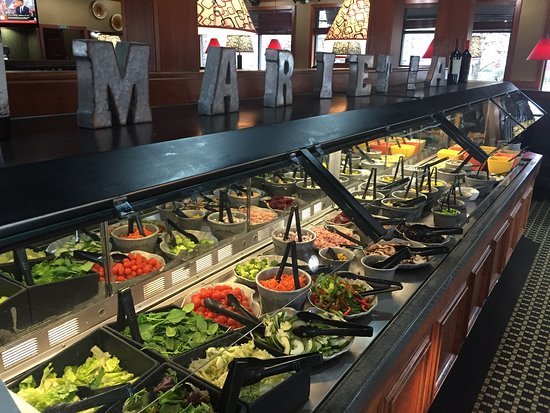
This entry is inspired by a restaurant choice my son and I have made for our annual father/son outing coming up soon. Due to limited restaurant choice we have at the venue we are heading to, Ruby Tuesdays (remember that quickly disappearing chain?) is the place we are going to. They offer an “All You Can Eat” salad bar. For those of you that have gone to a Ruby Tuesdays, you know that salad bar contains thick dressings, nuts, great tasting fresh croutons, cheeses, nuts, puddings and a number of other food sources that combined, make for a meal that will damage weight control efforts.
So, unlike the Capital One bank commercials that ask “What Is In Your Wallet?”, I am asking, “What Is In YOIR Salad?” Be careful!
And how could I post this entry discussing Ruby Tuesdays without posting the Rolling Stones 1967 song “Ruby Tuesday”? Enjoy Mick Jagger and the Rolling Stones.