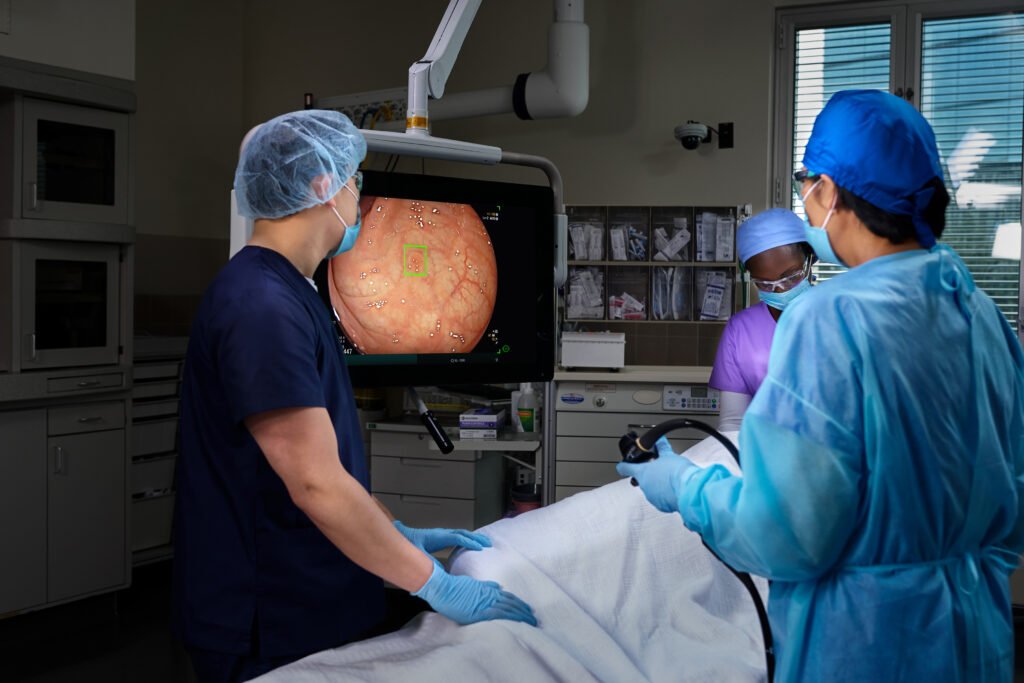
Colon cancer is on the rise. In adults under 50 years old, it is the number one cause of cancer death in males and number two in females. Each year about 150000 Americans are diagnosed with colon cancer. When caught at early stages, colon cancer is very much treatable.
We have all been told that we should have our first colonoscopy at the age of 50 and then every 5-10 years thereafter. For those with a family history of colon cancer, having earlier and more frequent colonoscopies are recommended.
Thoughts of going through a colon preparation producing diarrhea and then having a tube inserted up your butt while you are under anesthesia is not exactly a scenario people envision as a pleasant experience. COLOGUARD is a non-invasive test for colorectal cancer screening approved by the FDA in 2014. It can be done at home and does not require sedation. It works by detecting DNA markers and blood in the stool. The DNA markers are associated with colon cancer and precancerous polyps. The blood in the stool is a sign of colon cancer or other conditions that can lead to colon cancer.
Here is a comparison of both screening tests:

Clearly, Cologuard is a much easier screening test to use as opposed to a full colonoscopy. However, as seen on the above chart, the colonoscopy allows for a better false positive rate as well as the ability to biopsy any lesions seen.
My recommendation: If there is no family history of colon cancer at all, Cologuard is a reasonable first test to use but if there are risk factors for colon cancer (most notably family history), a colonscopy should be the screening test used.
No songs today as I really cannot find any appropriate songs relating to the colorectal area!