Most of us have used the expression “GETTING UP”, as we refer to the need for us to change from a relaxed state and transition into some sort of activity. For us parents, we certainly remember knocking on our school aged childrens’ doors and imploring them to “GET UP” from their sleeping state to get ready for school. For our own selves, we all have hit that snooze button on the alarm but at some point, we decide we need to “GET UP”.
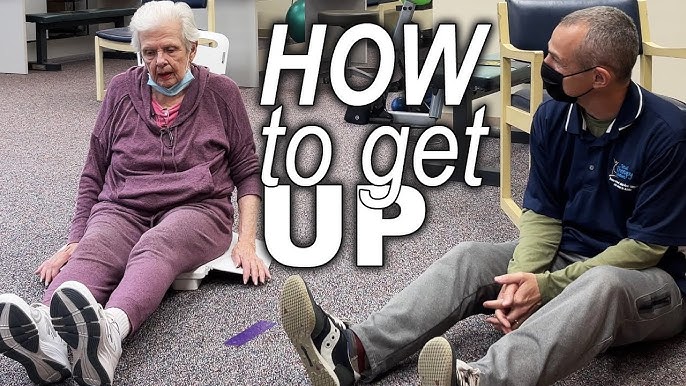
The ”GETTING UP” I am referring to in this post is actually the physical act of getting up from a prone or sitting position, becoming vertical and then start moving around. As I have gotten older, it is becoming more and more apparent to me that my own “GETTING UP” is slower and takes more effort than when I was a younger guy. As an example, at a pool, in my more youthful days, I could easily hoist myself from the water onto the pool’s edge and then immediately spring up from that position and start walking. Now? That act does not look as pretty.
As we all age, “GETTING UP” will become more and more challenging. Orthopedic issues (especially arthritis) will be the most common cause. However, weight control will also play a very important role in the “GETTING UP” process. When you watch obese people attempt to get up from a chair, couch or bed, you often witness a major struggle.
We have all seen those commercials for the fall alert buzzers that are sold to seniors that may fall and cannot get up. Comedians have often poked fun at the those staged commercials showing an old person on the floor exclaiming that “I have fallen and can’t get up” as they are then able to press their alert buzzer. In reality, falls in seniors are potentially life-threatening and no joking matter.
There are many reasons to shed weight if you are overweight/obese. Being able to “GET UP” easier (and make falls less dangerous) may not be as “sexy” as preventing heart disease or cancer, but certainly is a good motivation.
Waking up and getting up are not easy sometimes…Here is Chicago’s ‘Wake Up Sunshine”