Here are some a definitions of the word “RESILIENCE”: 1- the capacity to withstand or to recover quickly from difficulties; toughness. 2- the ability of a substance or object to spring back into shape; elasticity.
Let’s bring the concept of “RESILIENCE” to the medical arena. I am using this word to reference just how good (or bad) our bodies are in recovering from an illness/accident/surgery or some other physically traumatic event. There are many contributing factors to how “resilient” we are in these situations including:
- Age: Older people are usually less “resilient” than younger folks
- Underlying medical conditions
- Medications people are taking for diseases
- Weight/body habitus
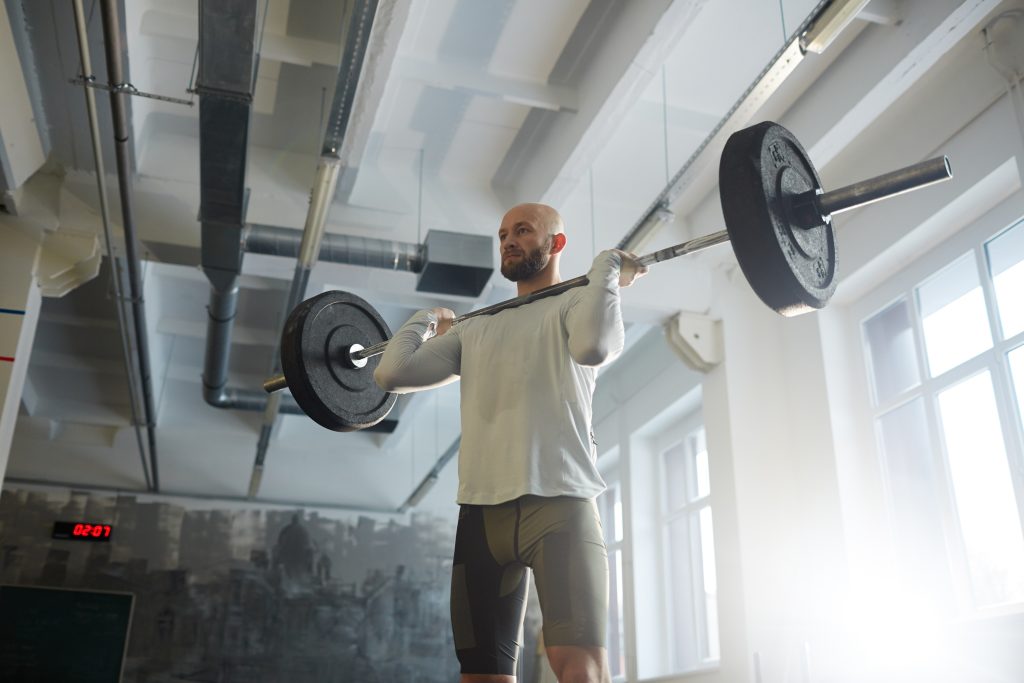
- Physical conditioning
- Lifestyle choices (smoking, drinking, drugs)
Other than age and some non-lifestyle impacting diseases that are present, most of the contributing factors to “MEDICAL RESILIENCE” are under our own control. Keeping weight under control, exercising, avoiding cigarettes/alcohol/drugs…these “controllable” factors can be altered to markedly improve our “medical resilience”.
The Covid pandemic showed us just how much medical resilience plays a role as to whether we live to a healthy ripe old age or die prematurely. Many people experienced nothing more than a bad cold when they contracted Covid whereas millions of people died when hit with the same virus.
Being a resilient person in many aspects of life makes for a better existence. “Medical Resilience” is of utmost importance. How would you rate YOURS?
Here is Kelly Clarkson’s “STRONGER”.