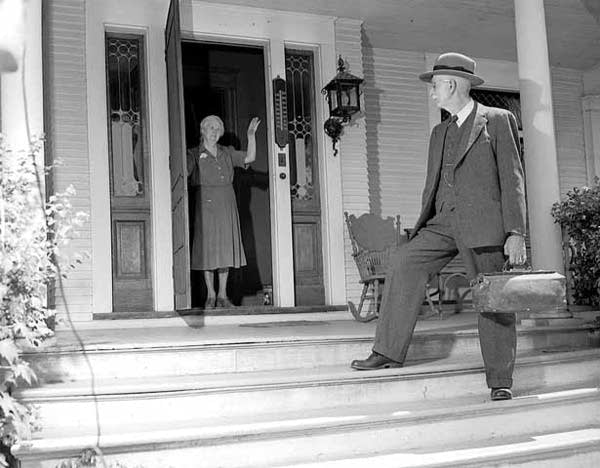
At my age, I am much closer to the end of my medical career than at the beginning. Hey, I still have my little black doctor bag from medical school that old time doctors used to carry with them on housecalls. We were taught in medical school to carefully take a history, perform an exam, order appropriate diagnostic tests and then come up with a differential diagnosis as to what may be causing the patient’s medical problems. Then treatment would be based on defining the exact diagnosis(s).
Fast forward to 2026: Artificial Intelligence is at the forefront of so many advances in technology. The growth in AI stocks such as Nvidia has been driving the stock market to record levels and many people are resorting to the different AI platforms to perform work at a much quicker and accurate scale.
So here begs the question: Will AI replace doctors? Will there be a time when a person basically places their medical history, symptoms and other parameters into an AI platform and then the medical workup and treatment will be rendered by that AI platform?
AI is unlikely to fully replace doctors, but it will profoundly change their roles, acting as a powerful assistant for diagnostics, administrative tasks, and data analysis, freeing up physicians for more complex care and human connection. The consensus is that doctors who effectively use AI will augment their skills and improve outcomes, while those who don’t adapt risk being surpassed by AI-empowered colleagues, leading to a future of human-AI collaboration rather than substitution.
How AI will change medicine:
- Diagnostic Support: AI excels at pattern recognition, quickly analyzing scans (like X-rays/MRIs) and patient data to spot issues humans might miss, enhancing accuracy.
- Administrative Relief: AI can handle charting, note-taking, billing, and scheduling, reducing physician burnout and administrative burden, giving back time for patient interaction.
- Treatment Planning: AI can process vast medical literature to suggest optimal, evidence-based treatment plans and flag potential drug interactions.
- Enhanced Patient Interaction: By taking over mundane tasks, AI allows doctors more quality face-to-face time with patients, potentially improving empathy and communication
Older doctors such as myself, without the more experienced use of technology, will not be able to utilize AI as much as the younger docs that grew up with incorporating technology into their lives much more expansively. I do agree that AI will enhance a doctor’s ability to NOT make mistakes and therefore a patient will be in better hands with the AI-assisted doc than the old timer relying much more on past experience.
However, amplifying on a very important point: The empathy that patients need will not be able to be provided by a robot. Part of doctoring is relating to a patient, placing them a ease and helping them cope with the problems they face. This is why I believe doctors will never fully be replaced by AI.
As this is my first post of 2026, I wish all of you and your loved ones a very happy and healthy 2026 and many more great years to come.
AI’s foundation began in Dartmouth University in 1956, the year I was born. Here is one of the top songs of that year…anyone remember Doris Day?